Analyzing Ireland’s Christmas Bonus 2023: Eligibility, Impact, and Payment Structures
The Christmas Bonus, a statutory payment provided by the Department of Social Protection (DSP) in Ireland, represents a critical financial intervention for qualifying social welfare recipients during the festive period. This analysis examines its structural parameters, fiscal implications, and operational considerations, deviating from marketing rhetoric to provide an evidence-based assessment of its implementation and effects on beneficiary populations.
Eligibility Parameters and Recipient Demographics
Eligibility for the Christmas Bonus is contingent upon the recipient having received a qualifying social welfare payment for a minimum duration of 12 months. This criterion applies to a broad spectrum of payments, including State Pension (Contributory and Non-Contributory), Jobseeker’s Allowance, Disability Allowance, Carer’s Allowance, and Blind Pension, among others. Specific exemptions exist for certain payments like Partial Capacity Benefit, which does not require the 12-month tenure if transferred from Disability Benefit, indicating a nuanced policy design to support specific transitions.

Based on 2022 data, approximately 1.37 million individuals were projected to receive the Christmas Bonus, encompassing various demographic cohorts. For instance, over 400,000 pensioners, 150,000 individuals with disabilities, and 120,000 carers constituted significant recipient segments. The payment itself is a 100% equivalent of the individual’s normal weekly social welfare payment, excluding certain supplementary allowances. This proportional structure aims to maintain equity relative to standard benefit levels, ensuring that beneficiaries receive an additional payment commensurate with their baseline support. The strict 12-month receipt requirement acts as a gatekeeping mechanism, balancing fiscal responsibility with targeted support for long-term welfare dependents.
Fiscal Allocation and Macroeconomic Impact
The financial commitment for the Christmas Bonus is substantial, representing a significant expenditure within the annual social welfare budget. In 2022, the total cost for the Christmas Bonus was estimated at approximately €319 million, disbursed to over 1.37 million beneficiaries. This figure is primarily derived from the 100% weekly payment equivalency applied across the diverse range of qualifying schemes. The allocation reflects a consistent government policy to provide supplementary income during a period traditionally associated with increased household expenditure.
From a macroeconomic perspective, this direct cash injection into the economy serves as a demand-side stimulus. The distribution of approximately €319 million within a condensed timeframe (typically the first week of December) is expected to contribute to increased consumer spending, particularly in the retail and services sectors. Analysis of previous years indicates a measurable, albeit temporary, uplift in retail sales figures during the December period, indirectly supporting employment within these sectors. While precise causality is challenging to isolate from general festive spending, the predictable nature and magnitude of the bonus provide a reliable, annual fiscal stimulus targeting lower-income households, which typically have a higher marginal propensity to consume, thereby circulating funds efficiently within the domestic economy.
Operational Logistics and Payment Streamlining
The Department of Social Protection manages the operational logistics of distributing the Christmas Bonus through established payment channels. The primary method involves direct electronic funds transfer (EFT) to beneficiaries’ nominated bank accounts, mirroring the standard weekly welfare payment process. This method optimizes efficiency, significantly reducing administrative overheads associated with manual processing or cheque issuance. For individuals without bank accounts or those preferring alternative collection methods, payment through post offices remains available, utilizing the ‘An Post Payment Card’ or other designated collection procedures.
The trade-offs inherent in these payment mechanisms include speed versus accessibility. EFT offers immediate funds availability post-processing and lower transactional costs for the DSP, estimated at fractions of a euro per transaction compared to potentially higher costs for physical cash handling and security at post offices. However, the post office option ensures accessibility for segments of the population who may be digitally excluded or lack banking facilities. The DSP’s robust IT infrastructure is critical for processing over 1.3 million payments concurrently, necessitating high-throughput systems and stringent data integrity checks to prevent discrepancies or fraudulent claims. System stability and cybersecurity protocols are paramount given the volume and sensitivity of financial transactions.
Policy Evolution and Comparative Analysis
The Christmas Bonus has maintained its fundamental structure (100% of weekly payment) over recent years, demonstrating policy consistency. For instance, the 2023 bonus payment maintains the same percentage entitlement as observed in 2022 and 2021, indicating a stable policy commitment rather than reactive adjustments based on short-term economic fluctuations. This contrasts with other social welfare measures, such as the Fuel Allowance, which can see changes in duration or payment rates more frequently in response to energy price volatility. The enduring nature of the Christmas Bonus suggests it is viewed as a core, predictable component of annual social welfare support, rather than a discretionary or crisis-response payment.
When comparing its design with similar one-off payments in other European jurisdictions (e.g., specific winter fuel payments or festive grants), Ireland’s Christmas Bonus is notable for its broad eligibility across numerous long-term welfare schemes and its direct linkage to the standard weekly payment amount. Some countries opt for flat-rate payments, which simplify administration but can reduce proportionality. The Irish model, while marginally more complex in calculation, ensures that higher baseline payments receive proportionately higher bonuses, reflecting the established differential needs catered for by the primary welfare schemes. This structural choice highlights a preference for equity tied to existing support levels over administrative simplicity, with the trade-off being a slight increase in computational demands for the DSP’s payment systems.
| Scheme | Primary Objective | Eligibility Criteria (Key) | Payment Structure | Estimated Annual Budget (2022/2023 est.) | Administrative Complexity |
|---|---|---|---|---|---|
| Christmas Bonus | Supplementary festive income | 12 months on qualifying welfare payment | 100% of weekly welfare payment (one-off) | €319 million | Moderate (integration with existing payment systems, 12-month check) |
| Living Alone Increase | Support for individuals living alone | Receiving qualifying welfare payment AND living alone | €22.00 per week (additional to primary payment) | €110 million | Low-Moderate (verification of living situation) |
| Fuel Allowance | Mitigate heating costs for vulnerable households | Receiving specific long-term welfare payment, meeting income/household criteria | €33.00 per week for 28 weeks (seasonal) | €400 million | High (means-testing, household composition, seasonal adjustment) |
| Hot School Meals Programme | Nutritional support for children in DEIS schools | Attendance at designated DEIS schools | Per-meal subsidy to schools/providers | €92.8 million | Moderate-High (school-level administration, procurement, food safety) |
- Verify Eligibility Proactively: Beneficiaries should review their social welfare payment statements or consult the Department of Social Protection’s official website well in advance to confirm their eligibility status, particularly regarding the 12-month payment receipt criterion.
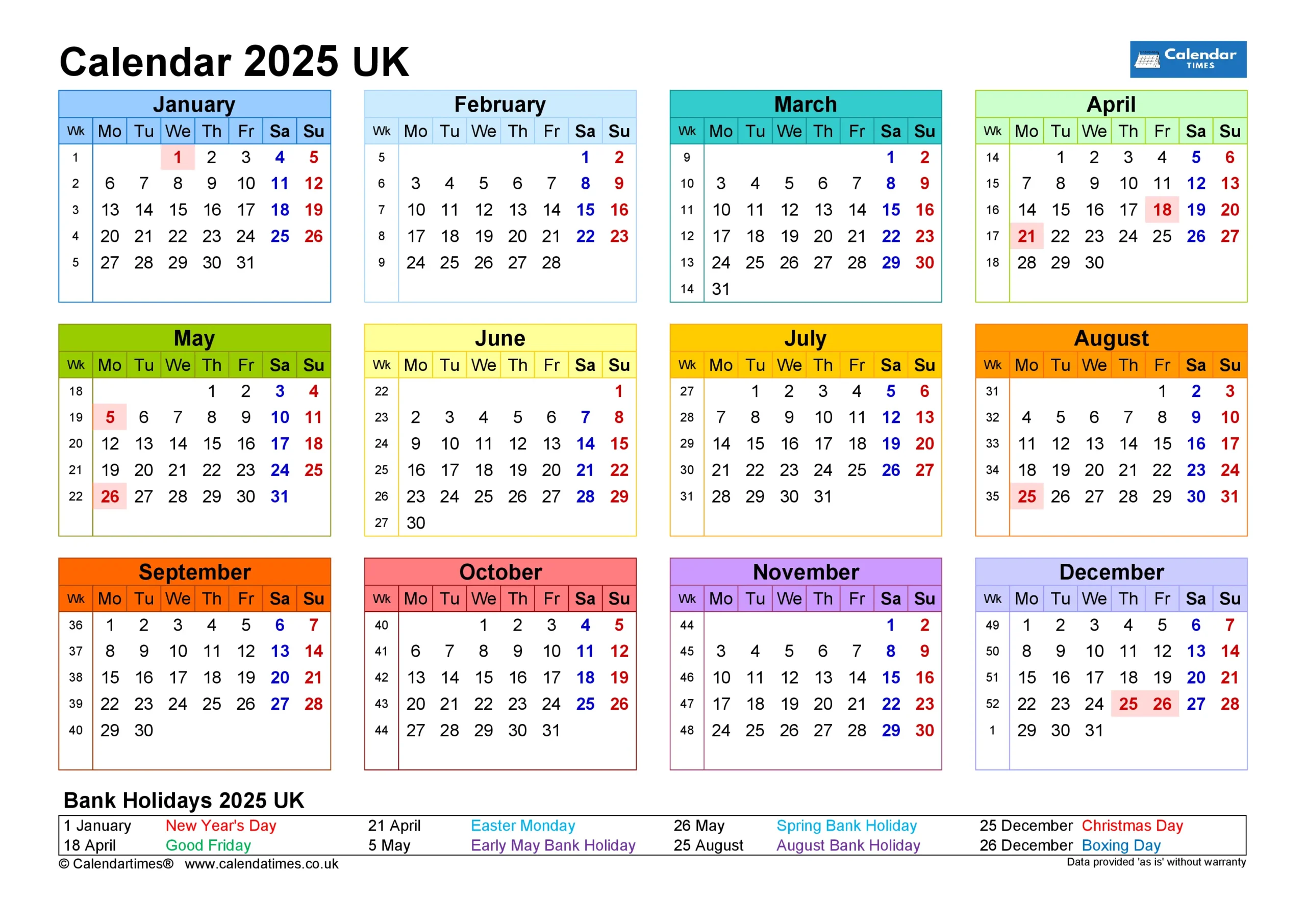
- Confirm Payment Dates: The Christmas Bonus is typically paid in the first full week of December. Monitor official announcements from the DSP to confirm the exact payment schedule and expect the funds to arrive on your usual payment day.
- Update Personal Details: Ensure that your bank account details or preferred payment collection method (e.g., Post Office) are current with the Department of Social Protection to avoid delays in receiving your bonus.
- Budget Strategically: Given its one-off nature, consider integrating the Christmas Bonus into a comprehensive household budget for December. Prioritizing essential expenses before discretionary spending can maximize its utility.
- Consult DSP for Discrepancies: If the Christmas Bonus is not received as expected, or if there are discrepancies in the amount, contact the Department of Social Protection directly through their dedicated helplines or local offices for clarification and resolution.