Mastering Smart Casual: The Tech Professional’s Definitive Guide
Navigating the contemporary tech landscape often means bridging the gap between innovation and professionalism. The ‘smart casual’ dress code perfectly embodies this spirit, offering a flexible yet polished aesthetic crucial for everything from daily stand-ups to investor pitches. This guide demystifies smart casual, tailoring its principles specifically for the dynamic world of technology professionals.
1. Deconstructing “Smart Casual” in the Tech World
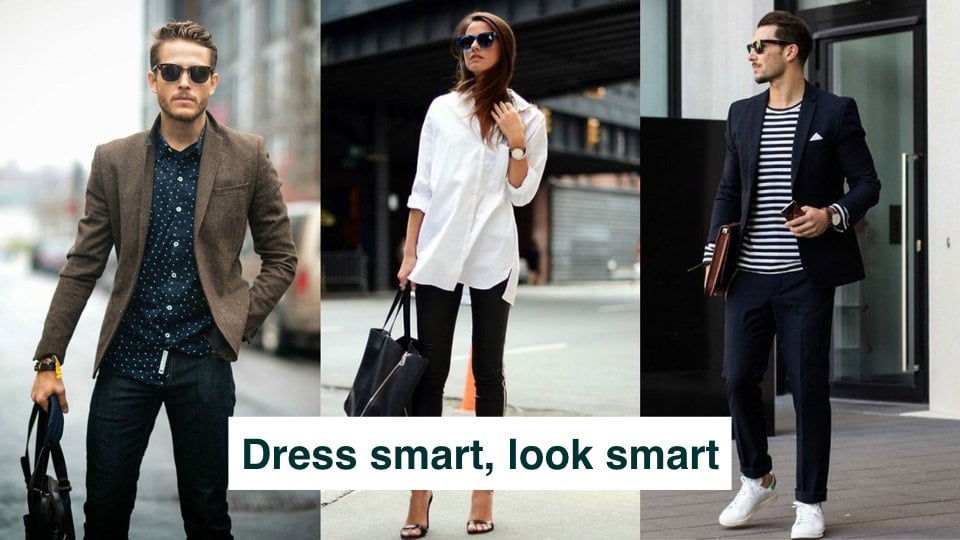
Smart casual is not a monolithic concept; rather, it’s a spectrum that balances polished elements with comfortable, relaxed pieces. For tech professionals, this often means presenting a competent, approachable image without the stiffness of traditional business formal. The “smart” component implies neatness, good fit, and quality fabrics, while “casual” allows for comfort and a less rigid silhouette, crucial for long hours spent coding, collaborating, or presenting.

Think of it as elevating your everyday wear without resorting to a suit and tie. In a startup, smart casual might lean more towards the casual side – perhaps a clean, dark pair of jeans with a quality polo shirt. In a more established tech corporation or a client-facing role, it shifts towards the ‘smart’ end, potentially involving tailored chinos, a crisp button-down, and an unstructured blazer. The key is adaptability and understanding your specific environment.
Anticipated question: Is smart casual different for various tech roles, like software engineers versus product managers? Absolutely. While core principles apply, a software engineer might have more leeway for performance-oriented, comfortable fabrics given their hands-on work, whereas a product manager or sales engineer often benefits from leaning slightly more ‘smart’ due to frequent external interactions.
Key Takeaway: Smart casual is a flexible balance, heavily influenced by your specific tech environment and role.
2. Essential Garments for the Tech Smart Casual Wardrobe
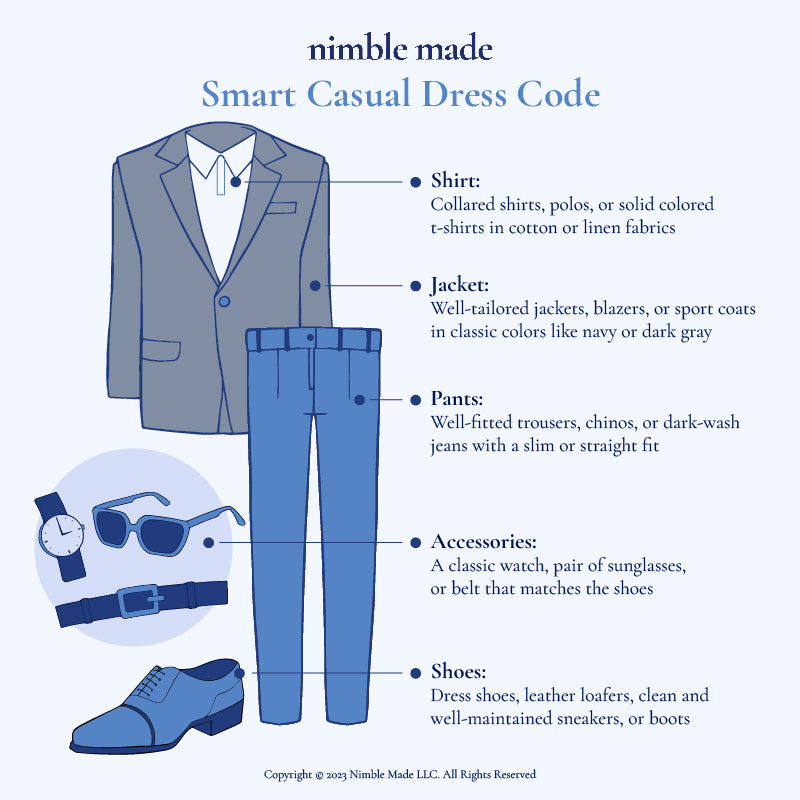
Building a robust smart casual wardrobe for tech requires selecting versatile pieces that can be mixed and matched. Focus on quality, fit, and timeless styles that project competence and ease.
- Tops:
- Polo Shirts: A classic, always reliable. Choose solid colors or subtle patterns in good quality cotton or performance blends.
- Button-Down Shirts: Oxford cloth, chambray, or fine-weave cotton. Can be worn tucked or untucked, sleeves rolled up. Avoid overly stiff or formal dress shirts unless a specific event demands it.
- Sweaters: V-neck, crew neck, or cardigan sweaters in fine-gauge merino wool, cashmere, or high-quality cotton are excellent layering pieces.
- Quality T-shirts: Solid-color, well-fitting t-shirts made from substantial fabric (not flimsy cotton) can be smart casual when paired correctly, often as an underlayer or with a blazer. Avoid graphic tees with loud logos.
- Bottoms:
- Chinos: The cornerstone of smart casual. Opt for well-fitting pairs in versatile colors like navy, khaki, charcoal, or olive.
- Dark Jeans: Only if they are dark-wash, well-fitting, free of rips, distress, or excessive fading. These can be dressed up with a blazer or down with a polo.
- Tailored Trousers: Lighter wool or cotton blend trousers that are more relaxed than suit pants but more formal than chinos are ideal for more ‘smart’ occasions.
- Outerwear:
- Unstructured Blazers: A navy or grey unstructured blazer instantly elevates any outfit without feeling overly formal. It’s a tech professional’s secret weapon.
- Cardigans: A more casual alternative to a blazer, offering warmth and a layered look.
- Smart Casual Jackets: Options like a bomber jacket (clean, solid color), field jacket, or a stylish utility jacket can work for specific tech environments, provided they are clean and well-maintained.
- Footwear:
- Loafers: Penny loafers or driving loafers in leather or suede are excellent.
- Derbies/Brogues: Slightly more formal but can work well when paired with chinos or tailored trousers.
- Clean Sneakers: This is where tech culture shines. Minimalist, solid-color leather or canvas sneakers (e.g., white, black, grey) are perfectly acceptable, provided they are spotless and in excellent condition. Avoid athletic running shoes.
- Boots: Chelsea boots or chukka boots in leather or suede offer a smart, rugged alternative.
Anticipated question: Are shorts ever okay? Generally, no, unless your specific tech office has a very relaxed, summer-specific policy. For client meetings, conferences, or interviews, shorts are almost universally inappropriate for smart casual.
Key Takeaway: Focus on fit, fabric quality, and versatility to build a strong smart casual foundation that adapts to various tech scenarios.
3. Navigating Nuances and Avoiding Common Pitfalls
Even with the right garments, mastering smart casual in tech requires an understanding of context and attention to detail. Avoiding common missteps can elevate your presence significantly.
- Context is King: Always consider your specific audience and situation. A cybersecurity conference might call for a slightly sharper look than a daily scrum meeting at a relaxed startup. Client-facing roles always demand more polish.
- Prioritize Fit Over Brand: Ill-fitting clothing, no matter how expensive or branded, undermines professionalism. Ensure shirts are not too baggy or tight, trousers have the right break, and jackets fit across the shoulders. A good tailor is an invaluable asset.
- Fabric Matters: Choose natural fibers like cotton, wool, linen, or high-quality blends that resist wrinkling and drape well. Avoid overly casual fabrics like distressed denim, cheap polyester, or anything that looks overly worn or flimsy. Performance fabrics designed for comfort and durability are acceptable, especially in active tech roles, but ensure they still look sharp.
- Grooming and Accessories Complete the Look: A smart casual outfit can be ruined by poor grooming. Pay attention to hair, nails, and a well-maintained beard (if applicable). Clean, quality accessories like a minimalist watch, a functional yet stylish laptop bag, and clean eyewear elevate your overall presentation.
- The “Too Casual” Trap: This is the most common pitfall. Avoid ripped jeans, graphic t-shirts with offensive or childish designs, athletic shorts, flip-flops, excessively worn sneakers, or anything you’d wear to the gym (unless you’re literally on your way to the gym).
- The “Too Formal” Trap: While less common in tech, going overly formal (e.g., a full suit and tie for a daily office environment that doesn’t demand it) can make you appear out of touch or stiff. The goal is approachable professionalism, not rigid formality.
Key Takeaway: Pay attention to detail, understand your audience, and prioritize looking polished and put-together without being rigid.
4. Dressing for Specific Tech Scenarios
Different tech events and work environments demand varying interpretations of smart casual. Adaptability is a key skill for a well-dressed tech professional.
- Daily Office Wear (Hybrid or On-site): For most tech companies, this is where the relaxed end of smart casual thrives. Think dark jeans or chinos, a quality polo or button-down, and clean sneakers or loafers. Layer with a cardigan or light jacket if the office climate control is unpredictable.
- Tech Conferences & Workshops: Here, you want to be comfortable for long days of learning and networking, but also presentable for potential employers or collaborators. Chinos or tailored dark jeans, a smart button-down or v-neck sweater, and stylish, comfortable shoes (e.g., smart sneakers or loafers) are ideal. An unstructured blazer can be added for keynote speeches or more formal networking events.
- Client Presentations & Investor Pitches: This is when you dial up the ‘smart’ component. Tailored chinos or dress trousers, a crisp button-down shirt (perhaps with a subtle pattern), and an unstructured blazer are essential. Pair with leather loafers, derbies, or polished boots. This projects confidence and respect for your audience.
- Informal Team Events & Meetups: For after-hours gatherings or casual team-building, you can lean more into the casual side. A well-fitting, plain t-shirt or a stylish flannel shirt with dark jeans and clean sneakers is often appropriate, provided they are still neat and presentable.
Key Takeaway: Develop a modular wardrobe that allows you to easily adjust your smart casual level for any tech occasion, from a casual coding session to a critical client pitch.
| Occasion/Environment | Recommended Upper Body | Recommended Lower Body | Recommended Footwear |
|---|---|---|---|
| Startup Daily Office | Clean T-shirt, Polo, Flannel | Dark Jeans, Chinos | Clean Sneakers, Loafers |
| Corporate Tech Meeting | Button-down, V-neck Sweater | Chinos, Tailored Trousers | Loafers, Derbies, Dress Boots |
| Tech Conference/Event | Button-down, Blazer (optional) | Chinos, Polished Dark Jeans | Smart Sneakers, Loafers |
| Client Presentation | Button-down, Blazer, Quality Polo | Tailored Trousers, Dark Chinos | Derbies, Dress Boots, Loafers |
Practical Tips for the Smart Casual Tech Pro:
- Invest in Quality Basics: A few well-made pieces will last longer and look better than many cheap ones.
- Prioritize Fit: Even the most expensive clothes look bad if they don’t fit well. Tailoring is your secret weapon.
- Keep Colors Neutral: Build your core wardrobe around versatile colors like navy, grey, black, white, and khaki. Add subtle pops of color with accessories or a single statement piece.
- When in Doubt, Err on the “Smart” Side: It’s always better to be slightly overdressed than underdressed, especially in new or uncertain tech contexts.
- Maintain Impeccable Grooming: A sharp outfit can be undermined by messy hair, unkempt facial hair, or untidy nails.
- Consider Performance Fabrics: For long hours or active roles, modern performance fabrics that offer stretch, breathability, and wrinkle resistance can be a game-changer.
- Have a “Go-To” Outfit: Keep at least one reliable smart casual outfit ready for unexpected meetings or events.
- Embrace the Tech Aesthetic: Integrate your tech seamlessly. A premium laptop sleeve, a sleek smartwatch, or minimalist headphones can enhance your overall polished, modern look.