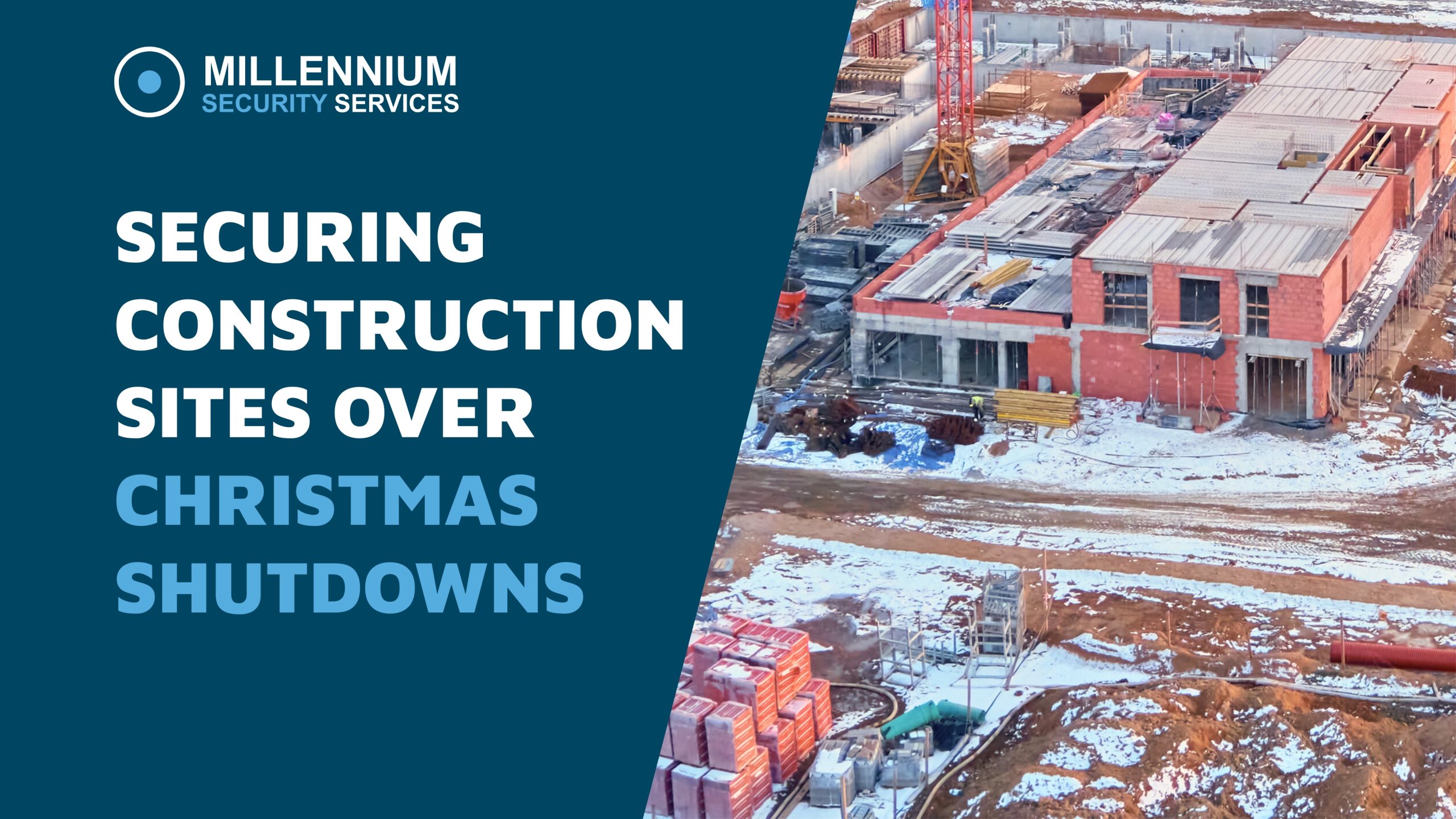
Ensuring Environmental Compliance on Construction Sites: Technical Strategies
Achieving environmental compliance on construction sites necessitates a rigorous, data-driven approach to mitigate ecological impact and adhere to regulatory frameworks. This involves meticulous planning, precise execution of Best Management Practices (BMPs), and continuous monitoring to prevent pollution, particularly concerning stormwater runoff, waste management, and hazardous material handling. Non-compliance risks significant financial penalties, project delays, and reputational damage, underscoring the criticality of integrated environmental management systems.
Regulatory Frameworks and Permit Acquisition Protocols
Environmental compliance on construction sites is primarily governed by federal and state regulations, notably the Clean Water Act (CWA) and its mandate for the National Pollutant Discharge Elimination System (NPDES). Construction projects disturbing one acre or more require a Construction General Permit (CGP) from the U.S. Environmental Protection Agency (EPA) or delegated state authority. A critical component of the CGP is the Stormwater Pollution Prevention Plan (SWPPP), which must detail pollutant sources, specify erosion and sediment control (ESC) BMPs, outline waste management, and establish inspection and maintenance schedules.

A comprehensive SWPPP identifies receiving waters, calculates projected peak runoff flows (e.g., using rational method Q=CiA), and designs sediment basins with a minimum storage capacity of 3,600 cubic feet per acre of disturbed land. Failure to comply can result in EPA fines ranging from $27,500 to $57,317 per day per violation under the CWA, with potential criminal charges. The initial investment in SWPPP development, typically $2,000 to $10,000 for small to medium sites, substantially reduces the risk of these high-cost liabilities, offering a favorable return on investment compared to potential litigation and remediation expenses.
Erosion and Sediment Control (ESC) Best Management Practices
Effective Erosion and Sediment Control (ESC) BMPs are fundamental to preventing off-site pollutant discharge. BMP selection is site-specific, considering topography, soil type, rainfall, and phasing. Structural BMPs include silt fences, sediment traps, sediment basins, and check dams. Non-structural BMPs encompass soil stabilization methods like hydroseeding, mulching, and erosion control blankets (ECBs).
Correctly installed silt fences (e.g., 6-inch trench depth, 6-10 ft post spacing for wire-backed) can achieve 60-80% sediment removal efficiency under sheet flow, provided maintenance prevents accumulation exceeding 50% of fence height. Fiber rolls (e.g., coir logs) offer similar efficacy (50-70%) but generally have higher material costs ($3-8/linear foot vs. $1.50-4/linear foot for silt fence) and suit gentler slopes (less than 3:1). Sediment basins, designed for larger drainage areas (>5 acres), provide significant detention time for gravitational settling, achieving over 85% sediment removal. Their effectiveness relies on appropriate sizing based on design storm calculations (e.g., 2-year, 24-hour storm) and regular clean-out when sediment volume reaches 50% of wet storage capacity.
Waste Management and Hazardous Materials Protocols
Construction sites generate diverse waste, primarily construction and demolition (C&D) debris and hazardous waste. Waste management employs a hierarchy: reduction, reuse, recycling, then responsible disposal. C&D debris (concrete, asphalt, wood, drywall, metals) amounted to approximately 600 million tons in the U.S. in 2018, with about 75% recycled or reused (EPA data). On-site segregation bins for recyclables reduce landfill volumes by 50-70%, lowering disposal costs ($20-50/ton for recycling vs. $50-100/ton for landfill) and carbon footprint.
Hazardous waste management requires stringent protocols. This includes paints, solvents, contaminated soils, asbestos-containing materials (ACM), and lead-based paint (LBP). Identification through pre-demolition surveys (e.g., ASTM E1527-13 Phase I ESA) is crucial. Disposal necessitates specialized licensed transporters and permitted treatment, storage, and disposal facilities (TSDFs), adhering to Resource Conservation and Recovery Act (RCRA) regulations. Asbestos abatement follows NESHAP guidelines, requiring negative pressure enclosures, EPA AHERA-certified personnel, and specific waste handling. The high cost of compliant hazardous waste disposal ($200-2,000 per drum for specialized waste) is a necessary trade-off against astronomical fines and lawsuits (often exceeding $100,000 per incident) for improper handling or illegal dumping, plus remediation expenses.
“Proactive investment in environmental site assessments and robust SWPPP development can reduce overall project costs by an average of 15-20% through avoided fines, expedited permitting, and enhanced public relations. Neglecting these aspects frequently leads to cost overruns exceeding 30% due to regulatory interventions and remedial actions.”
— Dr. Eleanor Vance, Environmental Consulting Group Lead, TerraSolutions Inc.
Monitoring, Reporting, and Adaptive Management Strategies
Continuous monitoring and systematic reporting verify BMP efficacy and ensure ongoing compliance. Most CGPs mandate weekly site inspections, and within 24 hours of a qualifying rain event (e.g., 0.5 inches or more within 24 hours). Inspections document BMP condition, identify deficiencies, and verify corrective actions. Digital platforms and drone technology improve efficiency, offering geo-tagged photographic evidence, time-stamped reports, and enhanced coverage. While drone monitoring involves initial capital (e.g., $1,500-$10,000) or service contracts ($500-$2,000 per inspection), it can reduce manual inspection time by up to 60% and improve data accuracy, streamlining regulatory reporting.
Adaptive management adjusts BMPs based on monitoring and changing conditions. If turbidity levels in discharge points consistently exceed permit limits (e.g., 25 NTU), additional controls like flocculant application or enhanced dewatering may be necessary. All monitoring data, inspection reports, and corrective actions must be meticulously recorded and retained for the permit term (typically 3-5 years). Non-compliance events, such as unauthorized discharges, require immediate (typically 24-hour) notification to authorities, followed by a detailed written report within 5 days outlining cause, remedial actions, and recurrence prevention.
“The most frequent cause of compliance violations we observe is not a lack of intent, but a failure in consistent execution and documentation. Adequate training for site personnel—covering SWPPP specifics, BMP maintenance, and spill response—is paramount, significantly reducing the likelihood of costly errors.”
— Mark Jensen, Senior Regulatory Compliance Officer, State Environmental Protection Agency
Frequently Asked Questions
What are the primary penalties for environmental non-compliance on a construction site?
Penalties for environmental non-compliance are severe. Federally, under the Clean Water Act, civil penalties can reach up to $57,317 per day per violation. State fines often supplement federal penalties. Projects may face stop-work orders, incurring significant demobilization and remobilization costs. Criminal charges, including imprisonment, can apply for egregious violations. Additionally, lawsuits from environmental groups or affected landowners lead to substantial litigation and mandated remediation expenses, often far exceeding initial compliance costs.
How often should a SWPPP be inspected?
SWPPP inspection frequency is mandated by the specific Construction General Permit (CGP). Most CGPs require weekly inspections of all erosion and sediment controls, stabilized areas, and discharge points. Furthermore, inspections are almost universally required within 24 hours of a qualifying rain event (e.g., 0.5 inches or greater rainfall in 24 hours) or significant snowmelt. Some permits also require inspections before anticipated storm events or after prolonged drought, ensuring BMPs remain effective and deficiencies are promptly addressed.
What is the role of technology in enhancing environmental compliance?
Technology significantly enhances environmental compliance. GPS-enabled drones provide efficient aerial surveillance for site monitoring, enabling rapid assessment of BMP integrity and identifying concerns. Digital SWPPP management platforms streamline documentation, inspection scheduling, and reporting, reducing administrative burden and improving data accuracy. Real-time turbidity sensors and automated sampling devices continuously monitor discharge water quality, providing immediate alerts for exceedances. Building Information Modeling (BIM) can integrate environmental considerations from design, optimizing material use and waste generation for proactive compliance.
| BMP Type | Primary Function | Typical Efficacy (Sediment Removal) | Maintenance Frequency | Approx. Cost/Unit (Material & Install) |
|---|---|---|---|---|
| Silt Fence | Intercept sheet flow, filter sediment | 60-80% | Weekly & after rain; clean when 50% full | $1.50 – $4.00 per linear foot |
| Sediment Basin | Detain runoff, allow sediment settling | 85-95% (if properly sized) | Monthly & after significant rain; clean when 50% full | $5,000 – $30,000+ per basin |
| Erosion Control Blanket (ECBs) | Protect soil from raindrop impact & surface runoff | 90-99% (for soil stabilization) | After installation & significant weather; repair tears | $0.50 – $2.50 per square yard |
| Check Dam | Reduce flow velocity in channels, promote settling | 30-50% (per dam in series) | After flow events; remove accumulated sediment | $100 – $500 per dam (rock/logs) |